The Role of Regular Pruning in Tree Health
Trees are an important part of our environment. They provide shade, improve air quality, and enhance the beauty of any landscape. To keep trees healthy and ensure they live longer, regular trimming is necessary. It helps remove dead branches, improves sunlight exposure, and promotes new growth. Trimming also prevents potential hazards by reducing the risk of falling branches. Understanding how to properly care for trees can lead to a healthier yard and reduce maintenance challenges.
The Benefits of Keeping Trees Well-Maintained
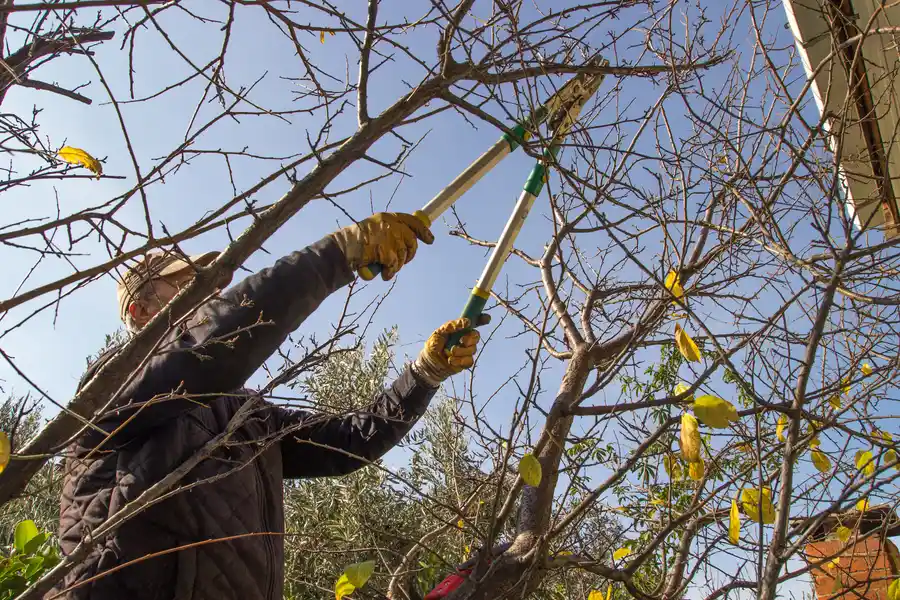
Regular maintenance plays a crucial role in prolonging tree life. When you trim your trees, you promote better air circulation and light penetration. This process allows the tree to grow stronger and more uniformly. Another benefit is that trimming can help manage pests and diseases by removing infected parts before they spread. A well-maintained tree not only looks good but also adds value to your property.
Avoiding Potential Risks Through Careful Pruning
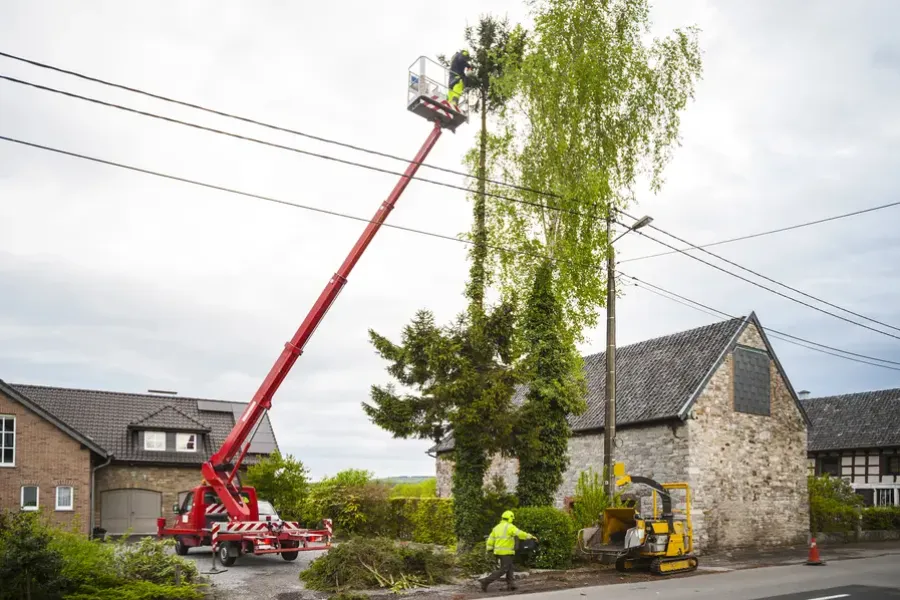
One key aspect of tree longevity is minimizing risks associated with overgrown branches. Overgrowth can lead to branches breaking during storms, potentially causing damage to property or people. By practicing careful pruning, these risks are greatly reduced. Additionally, keeping trees trimmed ensures power lines remain clear, which is vital for safety and uninterrupted services.
Improving Tree Structure With Regular Cuts
Proper tree trimming enhances the structural integrity of a tree. By selectively cutting weak or crowded branches, you encourage a stronger formation. This method leads to a more robust tree that can withstand environmental stresses like wind and heavy rain. It’s essential to focus on strategic cuts rather than random clipping to achieve the best results.
Using the Right Tools for Effective Maintenance
Choosing appropriate tools is crucial for effective tree maintenance. Using sharp pruners or saws ensures clean cuts that heal quickly. Blunt tools can tear the bark, leading to slow healing and increased vulnerability to disease. It’s advisable to sanitize tools between uses to prevent the spread of pathogens.
Understanding Seasonal Timing for Optimal Results
The timing of tree trimming impacts its effectiveness. Different species have varied needs for when to be pruned. Generally, late winter or early spring is ideal as it prepares the tree for new growth. During this period, trees are dormant, reducing stress from trimming activities. Avoid trimming during peak growing season to prevent unnecessary strain on the tree’s resources.
The Economic Aspect of Regular Tree Care
Investing in regular tree care can save money in the long run. While there may be upfront costs for professional services, these expenses can prevent costlier issues like storm damage repairs. Additionally, well-kept trees enhance property values more than neglected ones do. Consider professional assessments to determine the specific needs of your trees and plan accordingly.
Getting Professional Help for Complex Tasks
While many homeowners handle simple tasks themselves, certain situations call for professional intervention. Trees near power lines or structures may require experienced hands to avoid accidents. Professionals offer expertise that ensures tree health and safety while adhering to local regulations. They also bring specialized equipment that makes handling large trees manageable.
Your Partner in Maintaining Healthy Trees
To maintain beautiful and long-lasting trees, consider partnering with experts who know the intricacies of proper care. Our team at Richard's Tree Service provides comprehensive services tailored to meet your unique needs. We’re based in Little Rock, AR, ensuring prompt response times and local knowledge to serve you better. Contact us today at (501) 200-8545 for expert assistance and peace of mind regarding your landscape’s health.