Understanding the Impact of Pruning on Fruit Yield
Pruning is an essential practice for maintaining healthy and productive fruit trees. By strategically removing certain branches, tree pruning encourages better growth and increases fruit yields. This process helps direct the tree’s energy to the most promising parts, enhancing sunlight exposure and air circulation. Understanding how tree pruning can boost fruit production is crucial for anyone looking to maximize their orchard’s output.
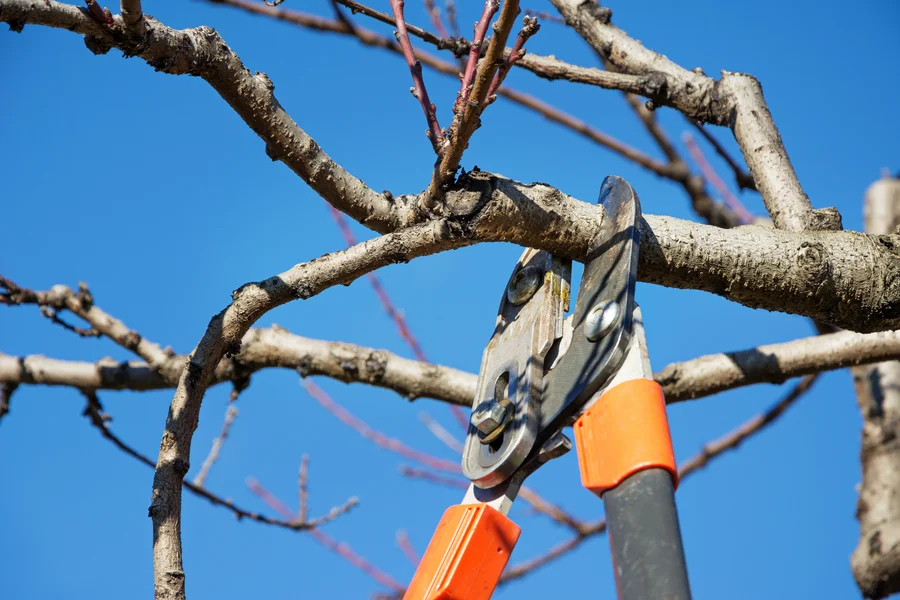
The Benefits of Proper Pruning
Proper pruning offers numerous benefits that directly impact fruit production. It stimulates new growth by clearing out old branches, allowing more resources to reach the healthier ones. This results in larger and more abundant fruits. Additionally, it reduces the risk of disease by improving airflow among the branches, creating a less hospitable environment for pests and mold. Strategic pruning also helps shape the tree for easier harvesting.
Challenges Faced Without Regular Pruning
Neglecting to prune your fruit trees can lead to several issues. Overcrowded branches block sunlight, which the tree needs for photosynthesis, reducing overall vigor and fruit size. Unpruned trees are more susceptible to diseases due to poor air circulation, leading to potential crop loss. Furthermore, without regular pruning, branches may overgrow, making the tree harder to manage and harvest.
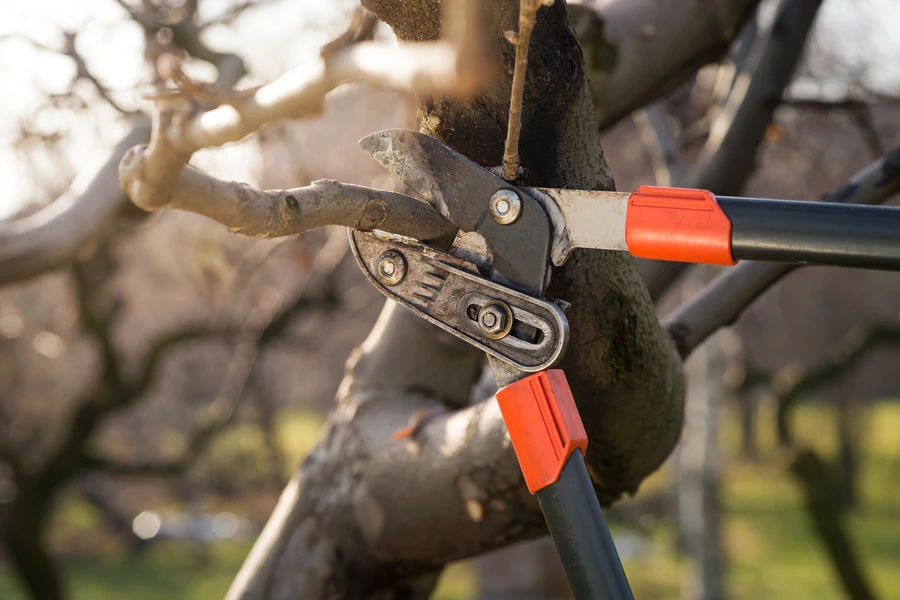
Step-by-Step Guide to Effective Tree Pruning
To get the best results from pruning, follow these steps:
- Identify which branches need removal: Look for dead or diseased wood first.
- Use clean tools to make smooth cuts just outside the branch collar.
- Aim to remove no more than 25% of the tree’s canopy in one season to avoid stress.
- Focus on thinning crowded areas to improve light penetration and air flow.
Best Practices for Pruning Fruit Trees
Adopting industry-standard practices ensures effective results when pruning. It’s best to prune during dormancy, typically late winter or early spring, before new growth starts. Always sanitize tools between cuts to prevent spreading disease. If you are unsure about making cuts, seek professional guidance from tree pruning services available locally. These experts can help you achieve optimal results without damaging your trees.
Industry Standards and Requirements
Properly pruned trees comply with many agricultural standards aimed at promoting health and productivity. The guidelines suggest removing weak or crossing branches, as well as those growing towards the trunk. Keeping up with these recommendations not only boosts fruit yield but also ensures compliance with safety regulations related to farming practices.
Cost Considerations for Tree Pruning Services
The cost of pruning services varies based on factors such as tree size, type, and location. While hiring professionals might seem costly upfront, it often saves money by preventing pest infestations and tree diseases that could lead to bigger expenses later. Investing in expert tree pruning services enhances long-term productivity and health of your fruit trees.
Final Recommendations for Boosting Your Orchard’s Productivity
For optimal fruit production, regular tree pruning is essential. Implementing the right techniques can significantly enhance your harvest quality and quantity. Reach out to Richard's Tree Service at (501) 200-8545 for expert advice tailored to your needs. Our team in Little Rock, AR is dedicated to helping your orchard thrive through proven methods and professional services.